

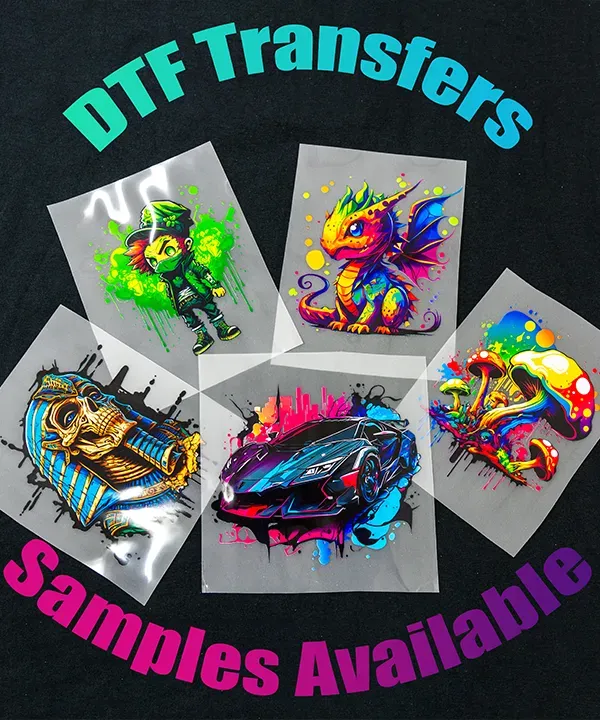
DTF transfers, or Direct to Film transfers, represent a revolutionary advancement in custom garment printing that combines vibrant visuals with exceptional versatility. This innovative printing technique allows you to apply stunning designs to various fabrics, making it a go-to choice for many professionals in the industry. By mastering key practices and utilizing high-quality materials, you can maximize the potential of DTF printing to achieve incredible results on any apparel. Whether you’re a seasoned expert or a budding enthusiast, understanding the essential DTF printing tips can dramatically enhance the quality of your DTF prints. In this article, we delve into effective strategies and DTF transfer techniques that will elevate your printing game and ensure enduring beauty in your projects.
Direct to Film printing, also known as DTF transfer, is swiftly gaining traction as one of the most preferred methods for custom apparel decoration. This technique seamlessly blends creativity and technology, allowing for high-resolution images to be printed directly on film and then easily transferred onto various fabrics. With its capability for high-quality prints on materials ranging from cotton to poly blends, DTF continues to redefine standards in the printing industry. This article aims to explore various strategies for achieving the best outcomes using DTF technology, alongside essential insights into the equipment and practices that ensure a flawless final product. By leveraging the insights into DTF transfer techniques and printers, you can transform your apparel printing ventures into vibrant works of art.
Maximizing DTF Printing: Essential Techniques for Quality Transfers
To maximize the potential of your DTF printing projects, understanding essential techniques is key to producing quality transfers. Begin with the selection of high-resolution images that can withstand the rigors of printing and washing. High-resolution files ensure that details are not lost during the transfer process, resulting in vibrant and clear designs on fabric. Additionally, consider the contrast and color schemes of your designs; bold colors tend to perform better in the DTF printing process, allowing for striking visuals that stand out.
Moreover, consistent experimentation with print settings can significantly impact the quality of your DTF prints. Adjusting parameters like ink density and print speed can lead to optimized results tailored specifically for your chosen materials. Regularly testing different configurations on a variety of fabrics will enhance your understanding of how each component influences the final product, ensuring that every transfer meets your high standards.
Choosing the Best DTF Printers for Your Needs
Choosing the right DTF printer is critical for achieving the best results in your printing endeavors. Brands that specialize in DTF printing, such as Epson and Brother, are often recommended due to their reliability and print quality. When selecting a printer, look for key features such as high print resolution, which ideally should be at least 1440 DPI for improved detail, and a robust feed system that can handle specialty films without jamming.
Additionally, consider the support and resource availability from the manufacturer. Some manufacturers offer extensive resources, including video tutorials, guides, and customer support to help you troubleshoot any issues. Investing in a well-supported printer can enhance your learning experience and streamline production, allowing you to focus on creating appealing designs with your DTF printing process.
Understanding DTF Transfer Techniques for Visual Excellence
To achieve visual excellence in your DTF transfers, mastering various transfer techniques is essential. One effective technique involves layering multiple colors and designs to create more complex images. Utilizing a combination of light and dark tones can add depth and dimension to the final print, making your designs visually striking. Each layer requires careful attention to timing and pressure settings to ensure adhesion without compromising image quality.
Another important aspect of DTF transfer techniques is the choice of heat press. Different designs may require varying heat and pressure settings, and having a heat press that allows for precise control can significantly enhance the outcome of your transfers. Experimenting with different pressure levels and heat applications will help you find the perfect balance for the fabrics you’re printing on, ensuring that the transfers adhere correctly while retaining their vibrancy.
Quality Matters: Film and Ink Selection for DTF Printing
The selection of high-quality films and inks is fundamental to achieving successful DTF prints. Films specifically designed for DTF applications will yield better results, promoting well-defined images and vibrant colors. If the film quality is subpar, you risk dull colors and poor adhesion, which can compromise the longevity of your designs. Always opt for trusted brands that specialize in DTF films to ensure the highest quality outcomes.
Equally important is the choice of inks. Inks formulated for DTF printing are designed to bond effectively with the film, impacting color accuracy and durability. High-quality inks are essential for ensuring that your designs maintain their brightness after multiple washes. Researching the grip and adherence properties of various inks will guide you in selecting the best options for your DTF projects, allowing for long-lasting and stunning results.
Pre-Treatment Processes: Ensuring Strong Adhesion for DTF Transfers
Pre-treatment of fabrics is a pivotal step in ensuring strong adhesion between the DTF transfer and the textile. This process prepares the fabric by enhancing its surface tension, making it more suitable for ink adhesion. For instance, cotton fabrics typically require a specific pre-treatment solution to optimize ink absorption, leading to a better bond once the transfer is applied. Neglecting this step can result in peeling or fading of the designs, significantly reducing the lifespan of the prints.
Moreover, each fabric type may have different pre-treatment requirements, making it crucial to match the right treatment with the chosen materials. For synthetic blends, the pre-treatment process may vary, and finding the right balance can enhance the overall print quality. Investing time into understanding fabric properties and conducting pre-treatment effectively will yield breathtaking results in your DTF printing endeavors.
Post-Press Care: Preserving the Quality of Your DTF Prints
Post-press care plays a vital role in preserving the quality of your DTF prints after the transfer process is complete. Allowing the garment to cool completely before peeling off the film prevents smudging or damaging the design, which can occur if the print is handled prematurely. Proper cooling methods should be adhered to, as this will ensure the design has sufficient time to bond effectively with the fabric.
Furthermore, following specific washing and care instructions after printing will help extend the lifespan of your DTF prints. For example, washing garments inside out in cold water and avoiding harsh detergents can significantly maintain the integrity of the designs. Taking the time to educate yourself about the best post-care practices is an investment in the quality and durability of your products, keeping them vibrant and fresh for a longer duration.
Frequently Asked Questions
What are the essential DTF printing tips to maximize transfer quality?
To maximize the quality of your DTF transfers, focus on using high-quality DTF inks and specialized film. Additionally, ensure proper pre-treatment of fabrics and adjust the heat press settings to the optimal temperature of 320°F to 340°F with medium pressure for effective adhesion.
How do I choose the best DTF printers for my printing business?
When selecting the best DTF printers, prioritize features like high resolution, speed, and compatibility with DTF materials. Brands such as Epson and Brother are among the top choices for robust performance in DTF printing.
What steps should I follow for effective pre-treatment of fabrics in DTF transfers?
Effective pre-treatment for DTF transfers includes thoroughly cleaning fabrics to remove dust and residues, followed by applying a pre-treatment solution if necessary for better ink adhesion. This step is crucial for enhancing the durability of your transfers.
What are some common techniques for achieving stunning DTF transfers?
Common techniques for achieving stunning DTF transfers include experimenting with different fabrics, ensuring optimal temperature and pressure settings during pressing, and using high-quality inks and films designed for enhanced color vibrancy and durability.
How can I maintain the quality of my DTF prints after transfer?
To maintain the quality of your DTF prints, allow garments to cool completely before peeling off the transfer film. For washing, always turn the garment inside out and use cold water with gentle detergents to preserve the integrity of the design.
What factors influence the durability of DTF transfers?
The durability of DTF transfers is influenced by several factors including the quality of the inks and films used, proper pre-treatment of the fabric, correct temperature and pressure settings during application, and adherence to post-press care instructions.
| Aspect | Key Points |
|---|---|
| Introduction | DTF printing is a revolutionary technique for custom garment printing, offering vibrant images on various fabrics. |
| Understanding DTF Printing | DTF printing is popular for its high-quality transfers and versatility on multiple fabric types. |
| Choosing the Right Equipment | Essential equipment includes a high-quality DTF printer, pretreatment machine, and adjustable heat press. |
| Film and Ink Quality | Use specialized DTF film and high-quality inks to enhance transfer quality and color accuracy. |
| Pre-treatment of Fabrics | Pre-treating fabrics improves ink adhesion for longer-lasting transfers. |
| Temperature and Pressure Settings | Optimal transfer occurs at 320°F to 340°F with medium pressure for 15-20 seconds. |
| Post-Press Care | Cool the garment before removing the film and wash inside out in cold water. |
| Experimentation and Practice | Testing different materials and settings is key to refining DTF transfer techniques. |
Summary
DTF transfers have become a leading choice for custom garment printing due to their extraordinary versatility and quality. Understanding the proper techniques, from selecting the right equipment to mastering the transfer process, is essential for achieving outstanding results. By focusing on the details—such as pre-treating fabrics, adjusting temperature and pressure settings, and maintaining post-press care—you can ensure that your DTF prints are not only vibrant but also durable. The realm of DTF transfers opens up creative opportunities, enabling you to bring your artistic visions to life on a variety of fabrics.