

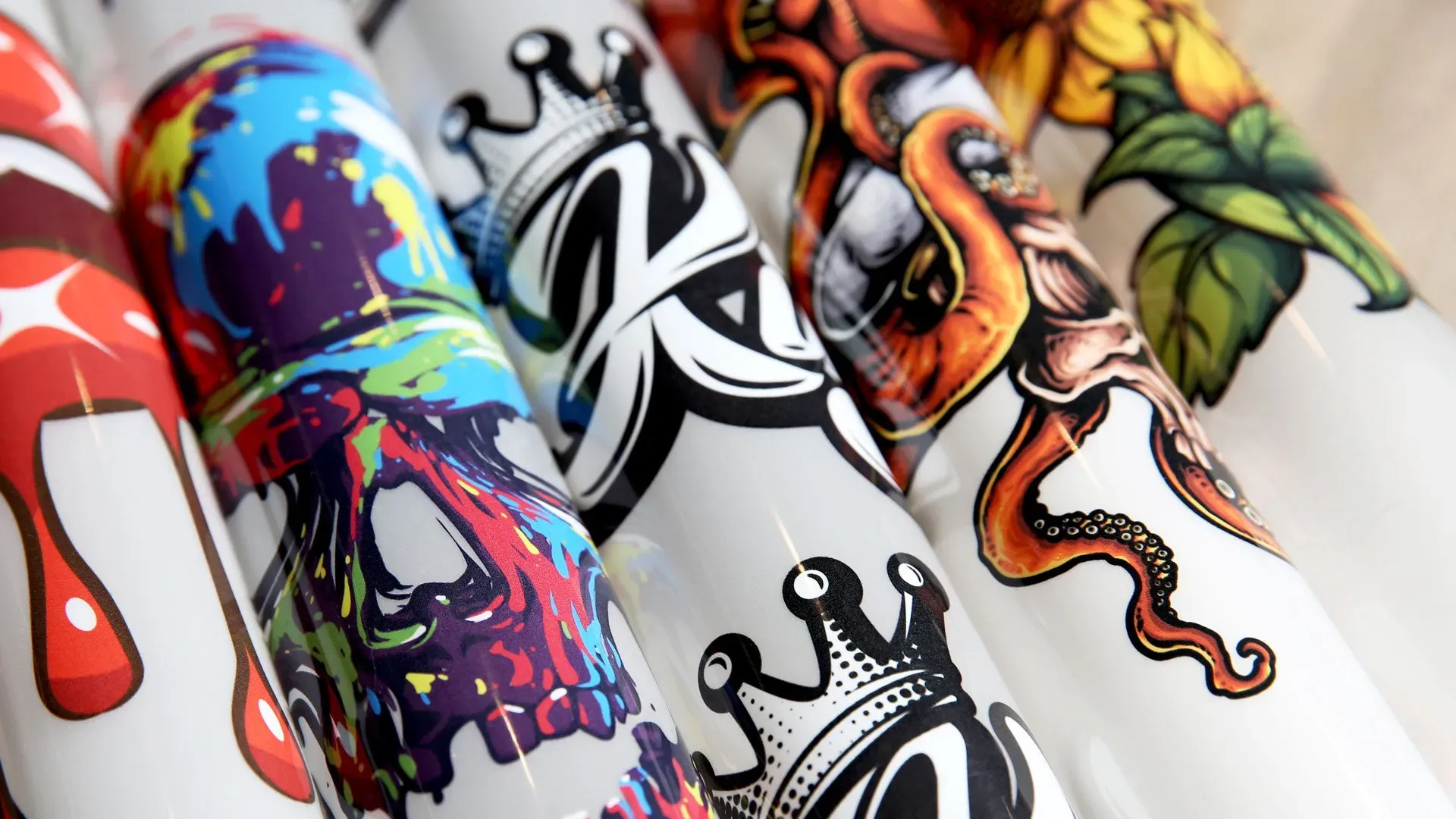
DTF transfers, or Direct-to-Film transfers, represent an innovative leap in the world of printing, merging versatility with high-quality output. This modern technique allows for vibrant designs to be applied seamlessly onto various fabrics, resulting in exceptional print quality that rivals traditional printing methods. Unlike screen printing and DTG printing, which can be cumbersome in terms of setup and costs, DTF transfers offer a cost-effective solution for custom apparel, especially for small to medium batch runs. Businesses are increasingly turning to DTF as they seek to enhance their product offerings while maintaining a competitive edge in an ever-evolving market. With its wide material compatibility and eco-friendliness, DTF transfers are changing the landscape of fabric printing forever.
In the realm of printing, Direct-to-Film (DTF) transfers have quickly gained traction as a go-to choice for businesses eager for customization and quality. Often contrasted with older methods like screen printing and various types of direct printing, DTF printing excels in providing eye-popping graphics across diverse substrates. This process involves printing on a special film, which can then be heat-transferred to the desired material, making it a highly adaptable option for garment decorators. With the demand for unique and personalized apparel climbing, understanding the nuances of these techniques—such as traditional screen methods and their limitations—can equip businesses with the knowledge needed to thrive. DTF printing not only enhances print capabilities but also promotes sustainability, aligning with today’s environmentally conscious consumer.
Exploring the Basics of DTF Transfers
Direct-to-Film (DTF) printing is revolutionizing the way businesses approach custom apparel production. Unlike traditional methods, DTF transfers utilize a specific film to print designs that can be heat-pressed onto a variety of fabrics. This method merges the quality of screen printing with the versatility of DTG to deliver vibrant, durable prints. In essence, DTF is a hybrid solution that enhances flexibility in printing operations, making it suitable for both small and large batches of clothing, thereby meeting diverse customer needs.
One of the main advantages of DTF printing lies in its print quality. DTF transfers can produce intricate designs with unmatched color vibrancy, allowing businesses to offer visually striking custom apparel. This new technology also caters well to detailed images that might be harder to achieve with traditional printing methods, further emphasizing its appeal in a crowded market.
Advantages of DTF Transfers for Custom Apparel
DTF transfers present a unique opportunity for businesses looking to produce custom apparel without incurring significant upfront costs. With lower setup expenses compared to traditional screen printing, it’s easier for small businesses or startups to enter the market and cater to customer demands. Additionally, the rapid production times associated with DTF printing make it an attractive option for those who need quick turnarounds or wish to address last-minute orders.
Another significant advantage of DTF printing is its compatibility with a wide range of fabrics, including cotton, polyester, and many blends. Unlike more rigid traditional methods, DTF allows businesses to diversify their product offerings, producing everything from t-shirts to accessories without the need for multiple systems or processes. This flexibility positions DTF as a compelling choice for retailers aiming to stand out in the competitive custom apparel landscape.
When to Choose Traditional Printing Over DTF
While DTF printing has its merits, traditional screen printing remains a powerhouse, especially for large production runs. Businesses looking to produce bulk quantities often find that screen printing is more economical due to its reduced cost per unit as order volumes increase. Moreover, the durability of screen-printed graphics stands out, as they tend to last longer, maintaining their quality even after numerous washes—ideal for apparel that undergoes heavy wear.
Moreover, screen printing is renowned for its consistency in delivering high-quality prints, particularly for large designs and bold colors. This method shines in applications where the visual impact is paramount, such as promotional items or event apparel. Therefore, businesses must carefully assess their specific requirements against production volumes and design styles to determine whether DTF or traditional printing is best suited to their needs.
Understanding Durability: DTF vs. Screen Printing
Durability is a critical factor to consider when choosing a printing method for custom apparel. While DTF printing produces impressive colors, the longevity of these prints may not compare favorably to traditional screen printing, especially for items that see frequent use. The moderate durability of DTF prints means businesses should evaluate how their products will be used to ensure they meet customers’ expectations.
On the other hand, screen printing is well-known for its resilience. The inks used often bond deeply with the fabric, resulting in prints that can withstand numerous washes without fading or cracking. For businesses focusing on high-quality, durable apparel, traditional printing methods might prove to be the better choice, particularly for products aimed at long-term use.
Comparing Production Speeds: DTF vs. DTG and Screen Printing
When efficiency is of the essence, especially in the fast-paced world of fashion, production speed can be a deciding factor between DTF and traditional printing methods. DTF transfers excel in speed when it comes to small runs, allowing businesses to fulfill orders quickly without sacrificing print quality. This aspect can be particularly advantageous for those responding to sudden spikes in demand or special events.
In contrast, traditional screen printing shines in high-volume production, where speeds significantly increase as orders grow larger. The process is often more streamlined for bulk orders, allowing businesses to optimize their workflow. However, for individual designs, DTG printing offers flexibility similar to DTF, albeit it can be slower due to the intricate digital printing process. Businesses must weight these factors carefully to determine which method aligns best with their operational needs.
Environmental Considerations in Printing: DTF and Traditional Methods
The increasing awareness of environmental concerns has led many businesses to prioritize sustainability in their operations. DTF printing stands out for its reduced environmental impact, as many inks used in the process are water-based, making them a more eco-friendly choice compared to the solvent-based inks prevalent in traditional screen printing. This paints DTF as an appealing option for businesses aiming to align with green practices.
Conversely, while screen printing is established for its quality and durability, it may contribute more significantly to environmental degradation due to the chemicals involved in ink production and application. Businesses committed to environmental stewardship may want to consider DTF for its lower ecological footprint, thus supporting their sustainable practices and market positioning.
Frequently Asked Questions
What is the main difference between DTF transfers and traditional printing methods?
The primary difference between DTF transfers and traditional printing methods, such as screen printing and DTG printing, lies in the application and process. DTF transfers print designs onto a film first, which is then transferred to the garment using heat. Traditional methods usually print directly onto the fabric, with screen printing being ideal for large volumes and DTG for custom designs.
How does the print quality of DTF transfers compare to screen printing?
DTF transfers are known for their vibrant colors and high-quality output, making them suitable for intricate designs. While screen printing also offers excellent print quality, particularly for larger designs, DTF can provide superior detail and color consistency for smaller batch runs.
Are DTF transfers suitable for custom apparel?
Yes, DTF transfers are particularly well-suited for custom apparel. Their ability to adhere to a wide range of fabrics makes them an excellent choice for creating personalized t-shirts, hoodies, and other garments without the high setup costs associated with traditional screen printing.
What are the durability concerns with DTF transfers compared to traditional methods?
While DTF transfers can produce durable prints, they may not match the longevity of screen-printed designs, especially after multiple launderings. Businesses should factor in print durability when choosing between DTF and traditional printing methods, especially for items expected to endure heavy use.
How do costs compare between DTF transfers and screen printing for small runs?
DTF transfers generally offer a more cost-effective solution for small runs compared to traditional screen printing, which has higher setup costs. DTF’s lower investment in equipment and lower maximum order requirements make it ideal for businesses with limited production needs yet high customization demands.
What materials can DTF transfers be applied to?
DTF transfers are versatile and can be applied to a wide variety of materials, including cotton, polyester, and blends. This flexibility allows businesses to diversify their product offerings without needing multiple printing systems, unlike some traditional printing methods that are limited to specific fabrics.
| Criteria | DTF Transfers | Screen Printing | DTG Printing |
|---|---|---|---|
| Setup Costs | Low for small runs | High for all runs | Medium to high |
| Print Quality | High, vibrant colors | Very high, especially for large designs | High, but can vary |
| Durability | Moderate, depends on fabric | Very high | Moderate to high |
| Production Speed | Fast for small runs | Fast for large volumes | Slower for individual designs |
| Material Compatibility | Wide range | Limited (best for cotton) | Limited (best for cotton) |
| Environmental Impact | Lower with water-based inks | Higher with solvent-based inks | Varies with ink type |
Summary
DTF Transfers are becoming an increasingly popular choice among businesses seeking effective and high-quality printing solutions. This innovative method not only offers vibrant graphics on a wide range of materials but also provides significant cost savings for small batch printing. As companies aim for customization and sustainability, DTF printing stands out due to its versatility and efficiency. Understanding this method, alongside traditional approaches like screen printing and DTG printing, will empower businesses to make informed choices tailored to their operational needs and goals. Properly evaluating the strengths and weaknesses of each option is essential as the printing landscape evolves, ensuring your business remains competitive.