

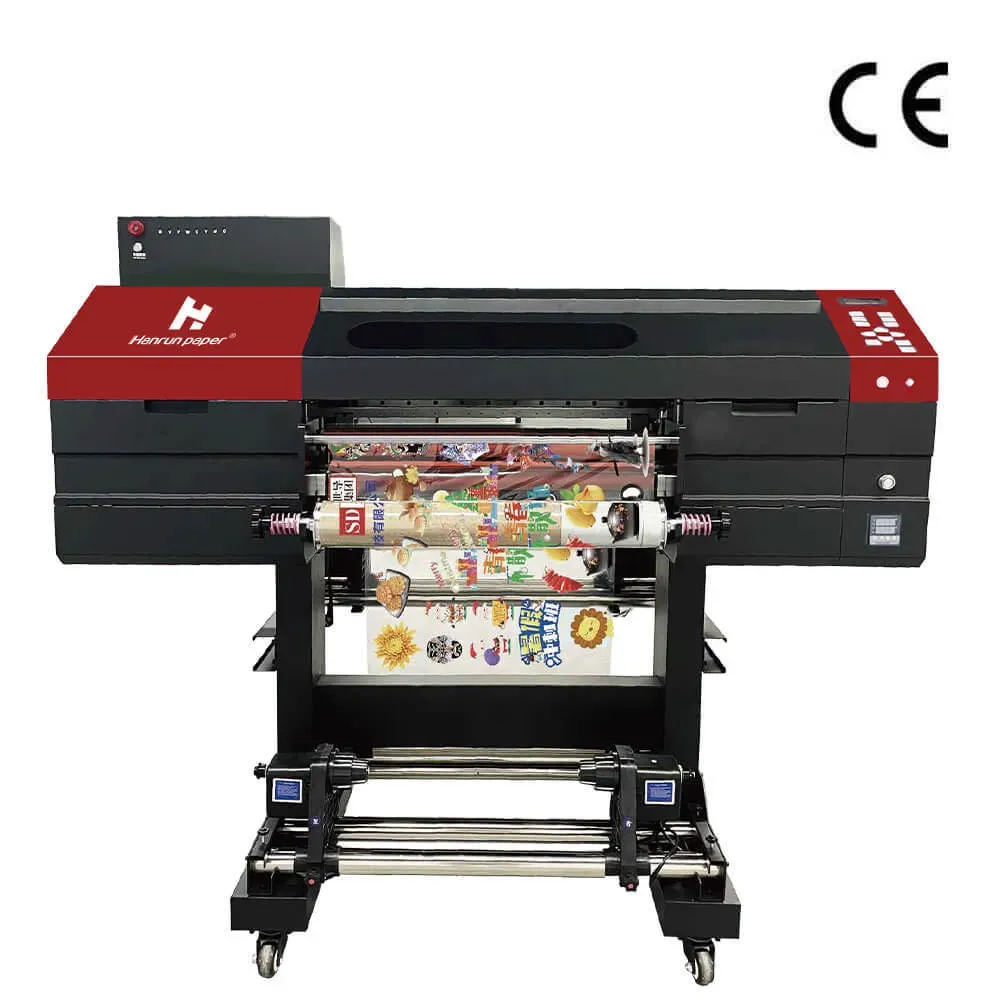
UV DTF printing, a cutting-edge technique in the world of printing, leverages ultraviolet light to cure inks, ensuring vibrant colors and impressive durability in printed materials. This innovative process merges the best of UV printing techniques with Direct-to-Film printing, offering versatility across various substrates, including textiles, plastics, and metals. With numerous UV ink advantages, like excellent adhesion and a quick curing process, UV DTF printing has quickly become a preferred choice for quality-conscious creatives. To master this technique, understanding essential print quality tips and pre-treatment processes is crucial, allowing for optimal ink adhesion and stunning results. In this guide, you will uncover valuable insights into elevating your UV DTF printing skills for eye-catching outputs that impress.
Also referred to as ultraviolet Direct-to-Film printing, this modern printing method showcases how technology can transform traditional practices. By utilizing advanced UV curing methods, this approach enhances the vibrancy and longevity of prints, making it ideal for diverse applications. As a unique combination of UV technology and Direct-to-Film processes, it excels in producing high-quality images on a variety of materials. From fabrics to flat surfaces, the versatility of this printing method allows for creativity without limits, while understanding pre-treatment and print quality can significantly improve final outcomes. Embrace the evolution of printing with UV DTF technology, unlocking new potentials for both professional and personal projects.
Benefits of UV DTF Printing
UV DTF printing offers a multitude of benefits that make it an attractive choice for both commercial and artistic printing needs. One of the most significant advantages is the ability to produce vibrant, high-quality prints on a wide range of substrates, including rigid materials like glass and plastics, as well as flexible surfaces like textiles. The ultraviolet light curing process used in this printing method not only enhances the color saturation but also ensures quick turnaround times, making it ideal for businesses that demand efficiency without compromising quality.
Furthermore, UV DTF printing is known for its durability and resistance to fading. UV inks are designed to withstand harsh environmental conditions, ensuring that printed materials maintain their integrity over time. This durability is particularly important for outdoor signage and promotional materials that need to endure varying weather conditions. By understanding and leveraging these benefits, printers can cater to a broader clientele and meet diverse project requirements.
Essential Equipment for UV DTF Printing
Investing in the right equipment is crucial for mastering UV DTF printing. Selecting a printer specifically designed for this technique often involves considering features such as precise ink distribution, temperature control, and built-in maintenance systems to prevent clogs. The right printer will ensure consistent output and high-quality results, making it an invaluable asset for any printing operation.
Additionally, the choice of UV-curable inks plays a significant role in the success of your printing projects. These inks are formulated to adhere effectively to various surfaces, enhancing overall print durability and vibrancy. Coupled with a reliable printer, high-quality inks can dramatically elevate the standard of your prints, making them stand out in both commercial and artistic contexts.
Pre-Treatment Techniques for Best Adhesion
Pre-treatment processes are vital for achieving optimal adhesion in UV DTF printing. Before printing, it’s essential to thoroughly clean surfaces to eliminate dust, oils, and residues that can hinder ink adhesion. Implementing surface preparation techniques, such as applying pre-coating or bonding agents, can also vastly improve the print’s longevity and appearance. For textured or challenging materials, methods like sandblasting or chemical treatments can create an ideal grip for the ink.
Moreover, understanding the specific needs of each substrate paves the way for enhanced print quality. For instance, certain materials may require specialized pre-treatment solutions that cater to their unique surface characteristics. By investing time in pre-treatment processes, printers can significantly reduce the likelihood of errors and achieve stunning results that meet high standards of quality.
Understanding UV Ink Advantages
One of the notable advantages of UV inks is their quick drying time, which allows for faster production cycles compared to traditional inks. In UV DTF printing, the inks are cured instantly upon exposure to UV light, preventing smudging and allowing for immediate handling of printed materials. This efficiency is particularly beneficial for businesses that require rapid turnaround times without sacrificing quality.
Additionally, UV inks are less likely to fade over time, thanks to their exceptional resistance to UV rays. This makes them an ideal choice for outdoor applications, where exposure to sunlight can significantly impact the longevity of printed materials. Integrating UV inks into your printing process not only enhances the durability of the output but also provides customers with long-lasting products, solidifying your reputation as a quality-conscious printer.
Post-Printing Processes for Enhanced Durability
Implementing post-printing processes can significantly extend the lifespan of your prints produced through UV DTF printing. After the initial curing process, considering additional curing methods can enhance the print’s durability, ensuring it can withstand wear and tear over time. Fine-tuning the curing duration and intensity based on the project’s requirements can yield optimal results.
Besides additional curing, applying protective coatings is also an effective strategy for safeguarding prints against scratches, moisture, and UV damage. These coatings can greatly enhance the durability and aesthetic appeal of printed materials, making them suitable for high-demand environments. By investing in comprehensive post-printing strategies, printers can effectively increase the resilience and attractiveness of their products.
Color Management Tips for UV DTF Printing
Color management is a crucial aspect of achieving consistent, high-quality prints in UV DTF printing. To ensure that the colors in the final output accurately reflect the intended design, regular calibration of printers using industry-standard color profiles is essential. This process ensures that any variations in ink mixing and application are addressed, resulting in print outputs that meet expectations.
Additionally, understanding the characteristics of UV inks regarding color mixing can help printers achieve desired results. Experimentation with different ink combinations and adjustments to the printer settings can lead to richer color representations and overall print quality. By focusing on color management practices, printers can elevate their outputs and satisfy their clients with stunning visual results.
Frequently Asked Questions
What are the key benefits of UV DTF printing compared to traditional printing methods?
UV DTF printing offers several advantages over traditional methods, such as enhanced durability, vibrant color vibrancy, and the ability to print on various substrates like textiles, glass, and metal. The ultraviolet light curing process ensures quick production times and superior adhesion, resulting in high-quality prints that last longer.
How does the pre-treatment process enhance UV DTF printing results?
Pre-treatment is crucial for UV DTF printing as it improves ink adhesion on surfaces. Cleaning surfaces to remove dust and oils, along with using bonding agents or chemical treatments on textured substrates, ensures that the ink adheres properly, ultimately leading to better print quality and longevity.
What type of UV ink is best suited for DTF printing applications?
High-quality UV-curable inks specifically designed for DTF printing are essential for achieving optimal print results. These inks provide excellent adhesion on diverse materials, superior vibrancy, and durability, ensuring that the finished products withstand everyday wear and tear.
What are some tips for ensuring optimal print quality in UV DTF printing?
To ensure optimal print quality in UV DTF printing, regularly calibrate your printer, maintain the correct ink consistency, and adjust UV curing settings according to the material being printed. Experimenting with ink layering techniques can also enhance color saturation and detail.
How does UV curing affect the durability of UV DTF prints?
UV curing plays a critical role in enhancing the durability of UV DTF prints. The process involves exposing the ink to ultraviolet light, which cures and hardens it almost instantly, making the prints resistant to scratches, fading, and other environmental factors, thereby prolonging their lifespan.
What common issues can arise during UV DTF printing and how can they be resolved?
Common issues in UV DTF printing include ink smudging and fading, often caused by improper curing. To resolve these issues, ensure environmental conditions like humidity and temperature are optimal, and regularly maintain your printing equipment. Continuous training on troubleshooting techniques is also beneficial.
| Key Point | Details |
|---|---|
| Understanding UV DTF Printing | Cures inks with UV light for vibrant, durable prints on various substrates. |
| Equipment and Setup | Invest in a specialized printer and high-quality inks; perform regular maintenance. |
| Pre-Treatment for Surfaces | Clean surfaces and use pre-coating or bonding agents for optimal adhesion. |
| Ink Application Techniques | Experiment with layering and adjust curing time/intensity for quality. |
| Post-Printing Processes | Implement additional curing and protective coatings for durability. |
| Color Management | Regularly calibrate printers to maintain color accuracy. |
| Troubleshooting | Address issues like ink smudging and ensure operational training. |
Summary
UV DTF Printing has revolutionized the printing industry by providing a versatile and durable method for creating stunning images on various surfaces. This innovative technique employs ultraviolet light to cure inks, ensuring vibrant colors and long-lasting results. To master UV DTF Printing, it is essential to understand key aspects such as equipment selection, surface pre-treatment, proper ink application, and effective post-printing processes. Additionally, maintaining color accuracy and troubleshooting common issues can greatly enhance the quality of the final outputs. By following these guidelines, artists and print professionals can achieve exceptional outcomes, allowing their work to stand out in today’s competitive market.